


Top 5 Documents You Should Shred and Probably Aren’t
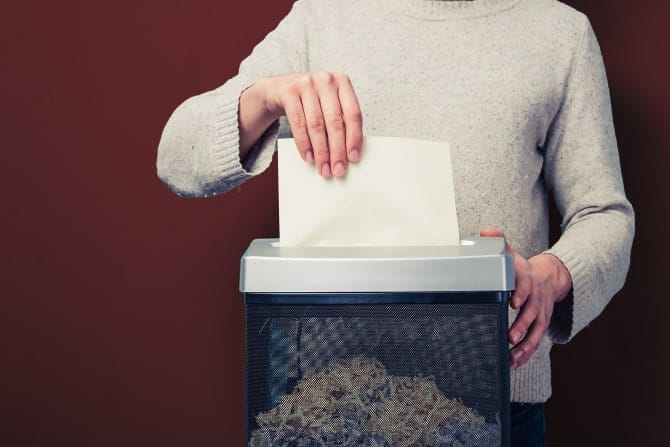
Many people are aware that they should shred and toss important documents such as taxes, bank statements, old checks and other financial documents. However, did you know that financial statements aren’t the only documents criminals are looking for? Here are the top 5 documents you should shred and probably aren’t:
-
Junk Mail
You get it every day in the mail: Offers for car insurance, credit cards, donation requests, and more. The instinct to simply toss it into the trash is overwhelming and, let’s be honest, understandable. However, these letters are a gold mine for local criminals. Everything from your name, address, birthdate, phone number, and more can be in these junk letters, exposing you to potential identity theft and fraud. Instead, make sure to shred your junk mail or at least rip your identifiable information out before tossing it.
-
Medical prescription labels
Do you shred or use a marker to color in the personal information on your medication labels and receipts? If not, you’re putting your information—and your doctor’s—at risk. A criminal could use that information to refill your prescription illegally, which could endanger both your health and identity. Make sure to shred your receipts and medication documentation and soak the empty prescription bottles to remove the labels.
-
Old IDs
What do you do with your old IDs when they expire? Whether it’s a driver license, an old health insurance card, or even your library card, simply tossing it in the trash can open you up to identity theft. Instead, use some scissors to cut any old identifying cards up into small pieces that make your name, birthdate, card number and any other sensitive information indistinguishable.
-
Shipping Labels & Invoices
When you receive a package in the mail, what’s your process? Rip the box or bag open, then throw it in the recycling without a second thought? Unfortunately, criminals can use your discarded information kept either on the shipping label or the enclosed invoice to set you up for a scam. Invoices should be shredded, and shipping labels should be blacked out with a marker.
-
Resumes & CVs
If you’ve never considered shredding your resume or CV after you were done with it, you’re not alone. But think of all the information you have made available on it: your full name, email address, phone number, and potentially even more sensitive information depending on your profession. During and after job searches, make sure you’re properly disposing of your resume or CV like it’s a financial document.
If you’re not sure where to start with shredding old, important documents and personally identifiable items like the above, we have great news for you: multiple times per spring and summer, we host Shred Days! At Shred Days, we collect your old paper documents and shred them for free. Although we cannot shred things like cards or plastic, we’re happy to shred documents printed on regular printer paper. See the full list of details and rules here!
Insured by NCUA | Membership eligibility required.